Why Your Toilet Keeps Running
A constantly running cistern usually traces back to one of three faults: an inlet valve that never shuts, a leaking flush seal, or a float set past the overflow. So if your toilet keeps running, the cause is almost always one worn part rather than a whole failing suite.
If we're late, $100 comes off your bill

- Licensed and InsuredEvery job done by a licensed plumber. QBCC No: 15024607
- Fixed Quote FirstFlat-rate pricing, agreed before any work starts
- Lifetime Labour WarrantyBacked by our Fix-It-or-It's-Free guarantee (T&Cs apply)
- $0 Call-Out FeesNo extra charge for nights, weekends or public holidays
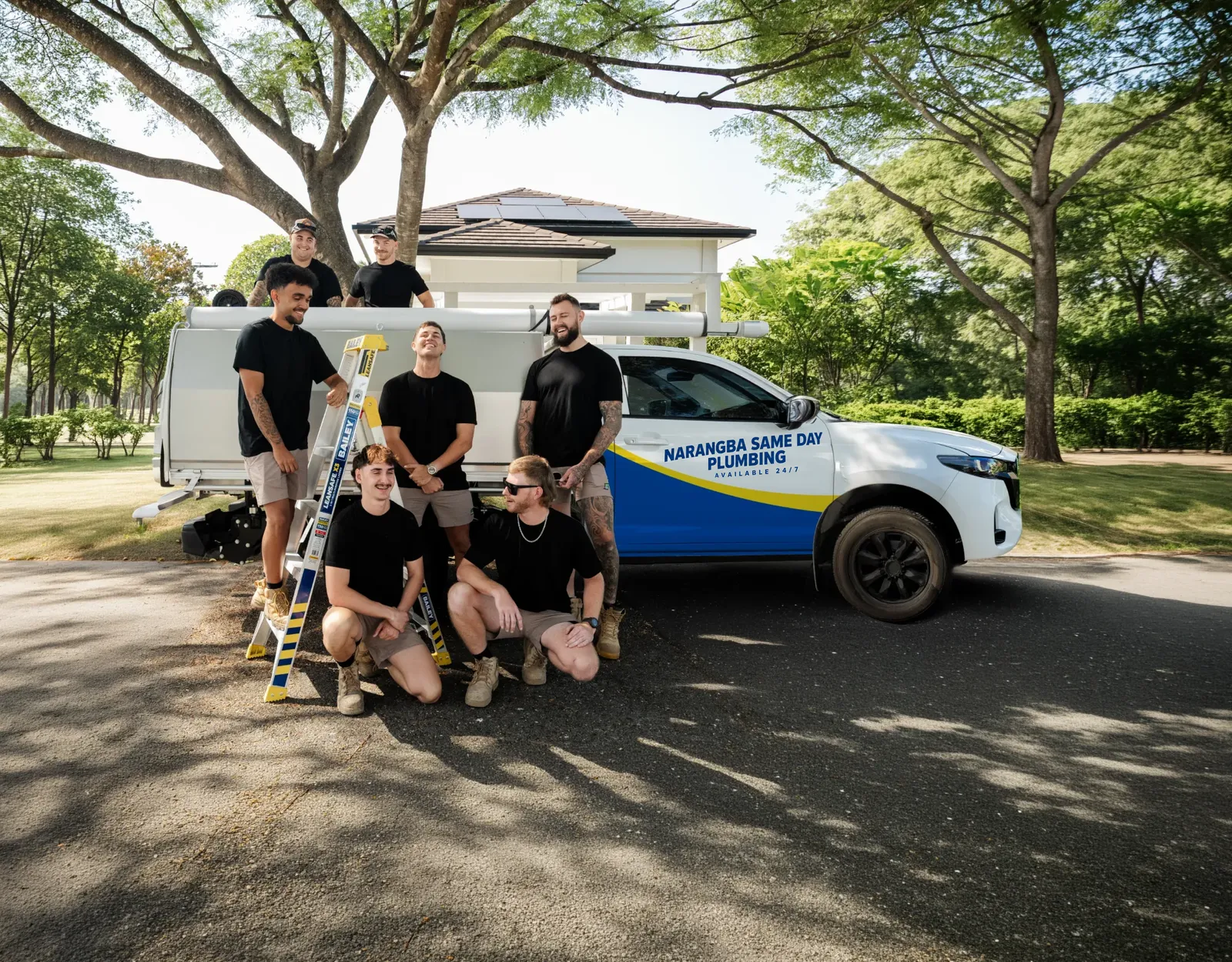
Narangba's cisterns range from old village brass to 2000s plastic, so all three faults turn up on our runs. This guide from Narangba Same Day Plumbing covers the signs to listen for, the dye test, and the line between home owner repairs and licensed work.
Most running cisterns come right in a single visit, because a licensed plumber is usually swapping one worn valve or rubber. Our toilet repairs page covers the faults beyond the running cistern, like leaks at the base and sewer smells.
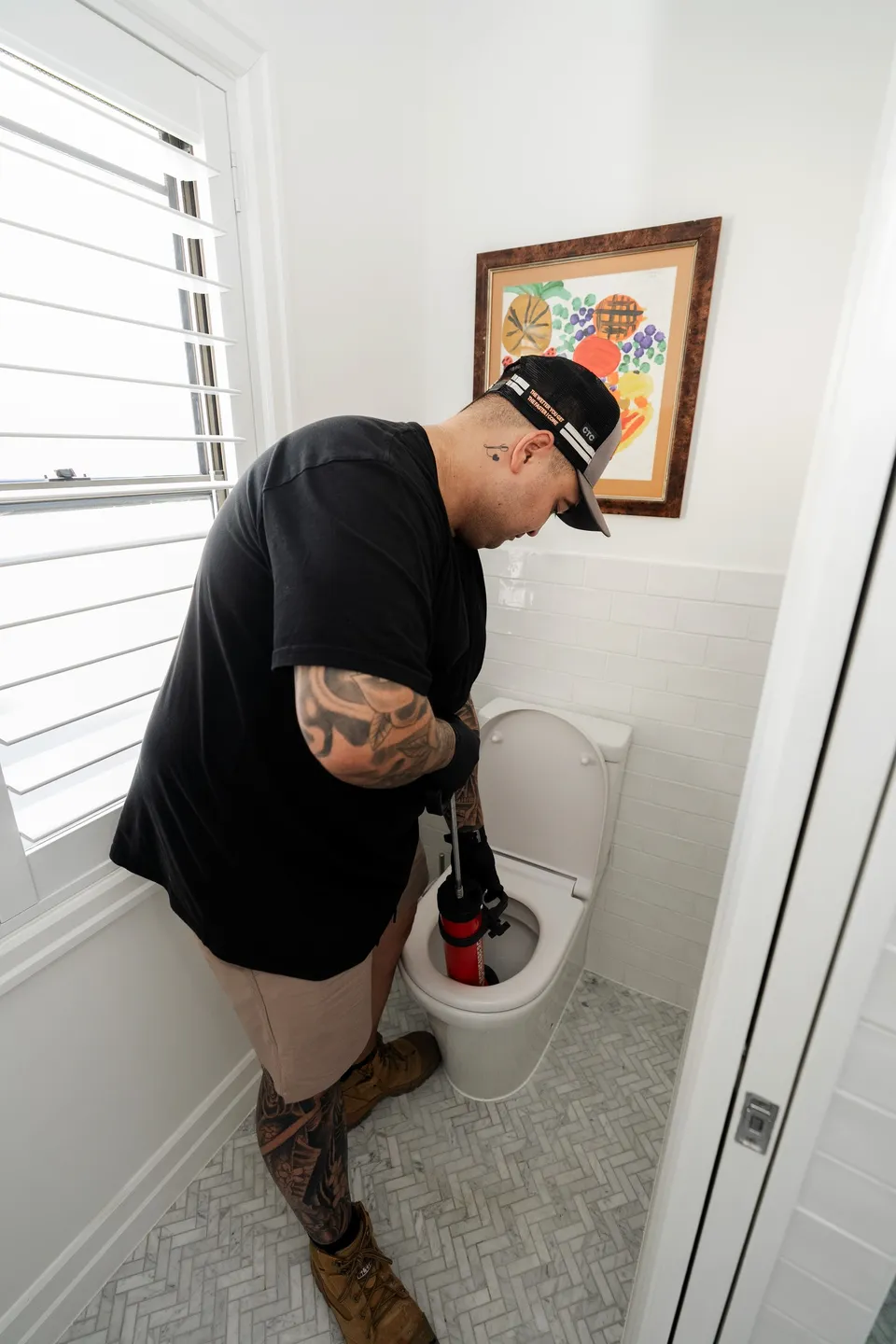
Inlet Valve, Flush Valve Seal and Overflow Explained
Three parts cause a running cistern: an inlet valve that will not shut off, a flush valve seal that leaks, and a water level set too high, each with its own tell.
The inlet valve's job is topping the cistern back up after a flush, then closing when the float reaches its mark. When that valve is worn, the cistern keeps filling and the water has to go somewhere.
The flush valve is the seal at the base of the cistern, and it keeps the water held there between flushes. A worn seal lets water seep through to the pan, so the inlet valve keeps topping up and the toilet never seems to finish.
The overflow is a standpipe that bleeds excess water into the pan rather than across your floor. If the valve never closes or the float rides high, water rises until it spills down that pipe, sometimes as a drip outside.
Listen for the pattern:
- An ongoing hiss or trickle once the cistern has refilled suggests the inlet valve.
- A cistern topping itself up every few minutes with no flush, or water creeping down the inside of the bowl, suggests the flush valve seal.
- Water escaping down the overflow, including a drip from an outside pipe, means the level is set past where it should be, so the float or inlet valve needs attention.

Slow, Partial or No Refill After a Flush
Slow or absent refill usually traces to an inlet valve clogged or tired, a float sitting below its mark, or a stop tap that someone left partly closed.
The stop tap is the small valve on the line feeding the cistern, and it is the easiest thing to rule out. Cleaning gear and stored boxes nudge it half shut more often than you would think.
When water runs yet the level never rises, the flush valve seal may be draining the cistern at the same rate it fills. The supply sounds fine while the pan quietly receives everything, which is why this one confuses people.
Houses around the primary school on Creekside Drive went in through the 2000s, so their original cistern valves are twenty years into constant use. A valve that old fails in stages: slow refill first, then a trickle that never fully stops.
Where Home Owner Toilet Repairs Stop
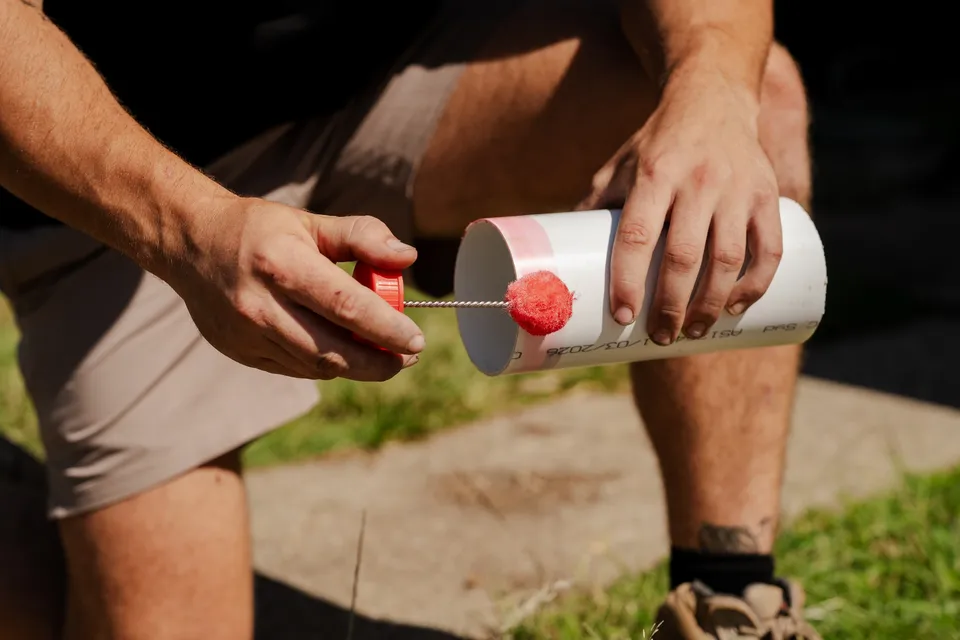
The QBCC opens three cistern parts to anyone with the appropriate knowledge and level of skill: the drop valve washer, the float valve washer and the suction cup rubber. Those swaps count as unregulated work, so no licence, approval or report is needed, though the finished work still has to comply with the standards.
Each remaining toilet repair falls under minor work, which Queensland reserves for a QBCC licensee, without a permit and without a Form 4. We give no repair steps here, because the rest of the cistern belongs to licensed hands.
Rentals add one line of duty. Queensland tenancy law makes the owner or manager responsible for keeping the place in good repair, and the tenant responsible for reporting faults promptly.
The emergency repairs list in that law covers blocked and broken toilets, but a cistern that merely runs is not on it. A running cistern counts as routine, fixed within a reasonable time of the tenant reporting it.
The Dye Test for a Leaking Cistern
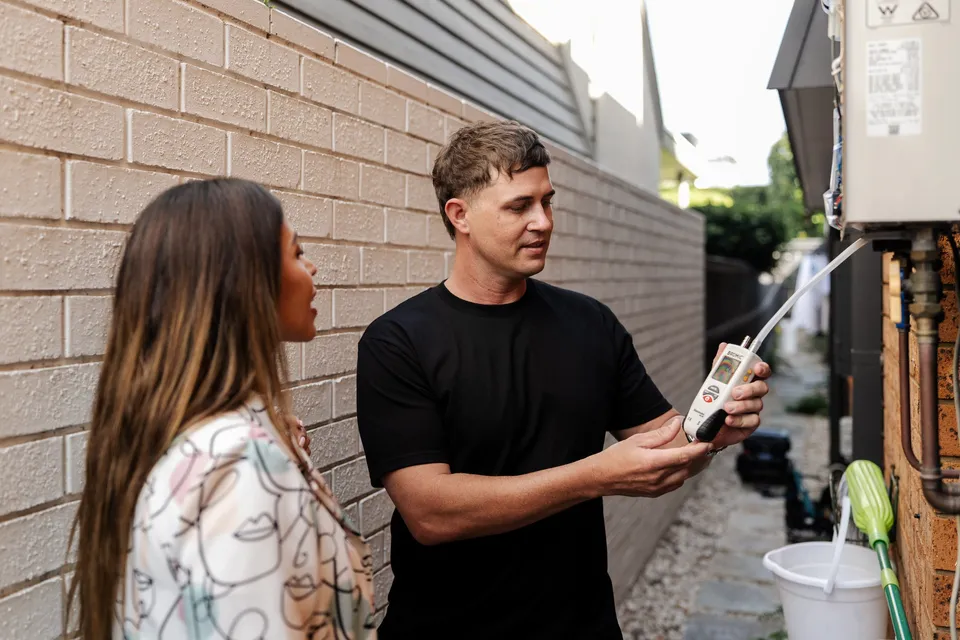
Add food colouring to the cistern water, then wait without flushing. Colour reaching the bowl with nothing flushed means water is escaping from the cistern into the pan, which points to the flush valve seal.
A few points around the test:
- Flush once you are done, because the dye rinses away and leaves ceramic untouched.
- If the bowl stays clear, the flush valve is watertight, so look next at the inlet valve and the level.
- No colouring in the cupboard? Rest dry toilet paper high inside the bowl, clear of the water. Paper that ends up damp reveals a trickle down the inside of the bowl: the toilet is leaking.

Who Pays for Water a Cistern Wastes
No, Unitywater's adjustment for concealed leaks excludes leaking cisterns, along with taps, hot water systems and other appliances. The adjustment exists for hidden underground leaks, and a cistern does not qualify.
The owner of the property is the one answerable for leaks on their land and the losses those leaks cause. A cistern left running for weeks simply grows the bill, with no credit coming back, which is the best reason to test early.
When to Call a Plumber About a Running Toilet
Ring us when the dye shows up in the bowl, the hiss never ends, or the overflow keeps running. Those signs all point past the three parts you may lawfully touch.
At the last census this suburb held 6,454 dwellings, nearly all of them separate houses, so a single running cistern on each street adds up fast across a water bill quarter. We are QBCC licensed, QBCC No: 15024607, for plumbing and gasfitting.
Questions About a Running Cistern
Call (07) 3520 4094Can I fix a running toilet myself in Narangba?
No, only a small slice of it. The QBCC lets anyone with the knowledge and skill swap three cistern parts, classed as unregulated work, though the finished job still needs to satisfy the standards. Everything beyond those parts is for a licensed plumber.
Which toilet cistern parts can a home owner replace?
The QBCC's list names the washers for the drop valve and the float valve, plus the suction cup rubber. A home owner who knows what they are doing may repair or replace those three, and the standards still apply to the finished job.
What is the overflow in a toilet cistern?
The overflow is the safety outlet that sends spare water down into the pan instead of across the floor. If the inlet valve fails to close or the float sits too high, the level climbs until it escapes through that outlet.
What does it cost to fix a running toilet in Narangba?
Two things drive the price most: which part has failed, and how easy the cistern and its stop tap are to reach. The fixed quote we give before starting confirms the final figure.

Ring Us About Your Running CisternWe'll call you back.
Ring (07) 3520 4094 and tell us what's wrong. You get $0 call-out fees, a fixed quote before any work starts and same-day where we can, 7 days a week.
To claim your $0 call-out fee, call (07) 3520 4094 today.