LPG vs Natural Gas at Home
The lpg vs natural gas question comes down to how the fuel reaches your house. Natural gas is methane delivered through a metered gas network. LPG is liquefied petroleum gas, kept as a liquid inside a cylinder or tank until it vaporises for use.
If we're late, $100 comes off your bill

- Licensed and InsuredEvery job done by a licensed plumber. QBCC No: 15024607
- Fixed Quote FirstFlat-rate pricing, agreed before any work starts
- Lifetime Labour WarrantyBacked by our Fix-It-or-It's-Free guarantee (T&Cs apply)
- $0 Call-Out FeesNo extra charge for nights, weekends or public holidays
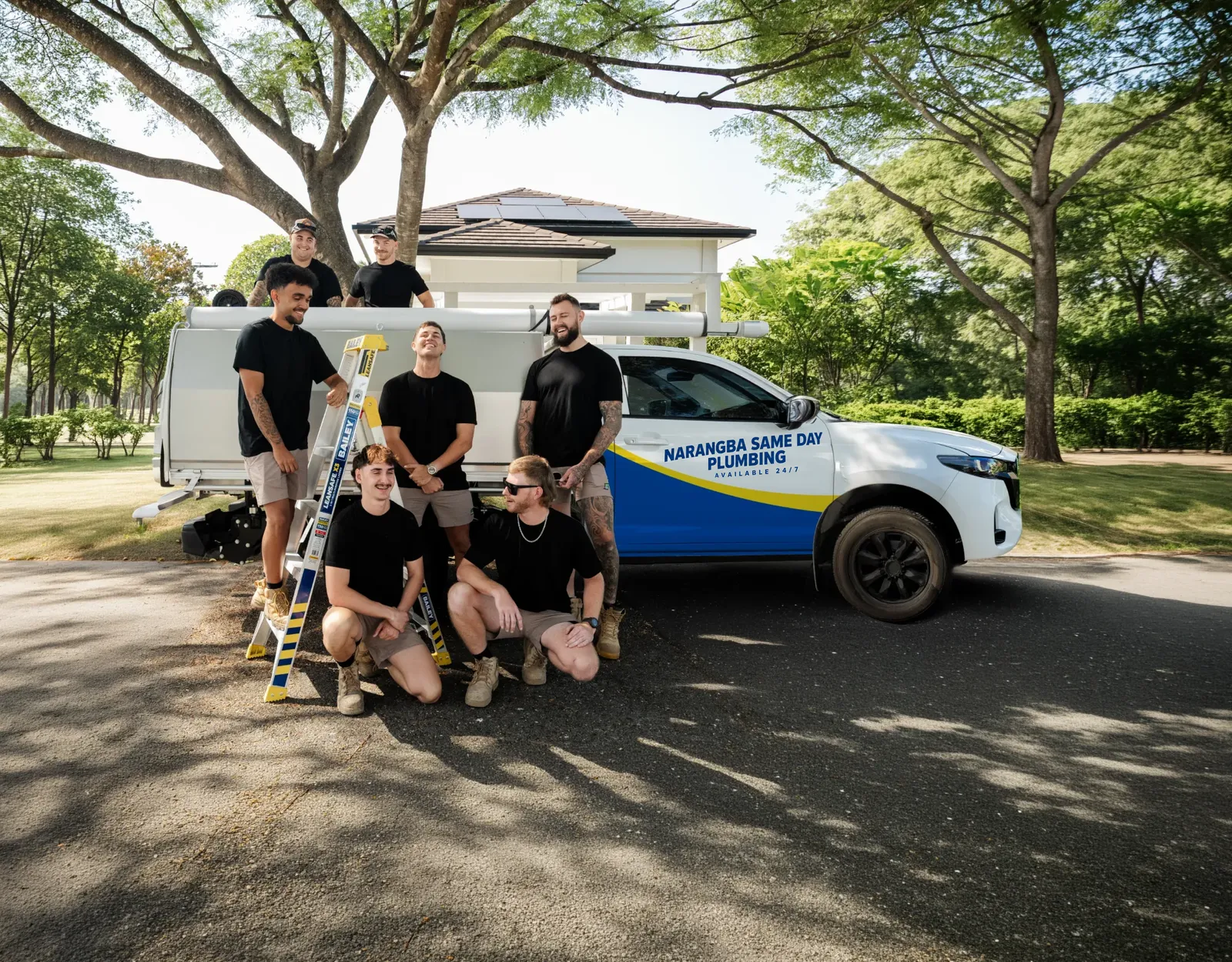
Plenty of blocks around Narangba run on bottles rather than a meter, and every job is done by a licensed plumber, so knowing which supply you have shapes what happens next.
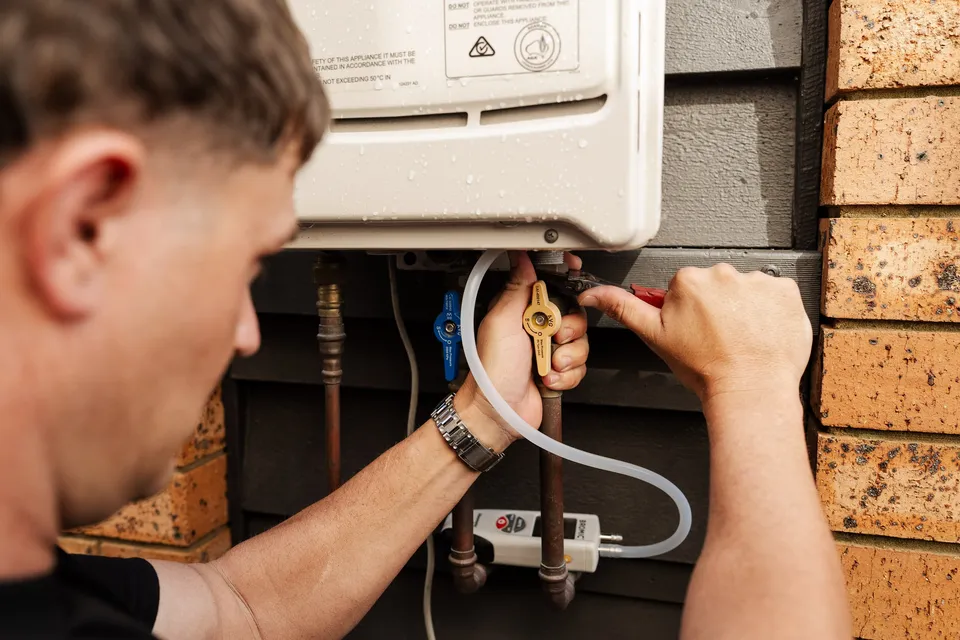
Mains Gas, Piped LPG and Bottled Gas
Gas reaches a home three ways: as piped natural gas, as piped LPG (called reticulated LPG), or from an LPG cylinder or tank on the property. So a pipe at your wall does not always mean natural gas.
The giveaway sits at the boundary. A home on a pipe from a metered network has a gas meter, while a home on bottled or tank LPG has a cylinder or tank instead. Rural-residential blocks and acreage fringes are the classic cylinder households, since a tank suits a property the gas main does not reach.
Both gases start out colourless, with no odour of their own. An odour chemical, mercaptan, is added to each, which is why escaping gas smells like rotten eggs. Treat that smell the same regardless of which supply feeds your home.
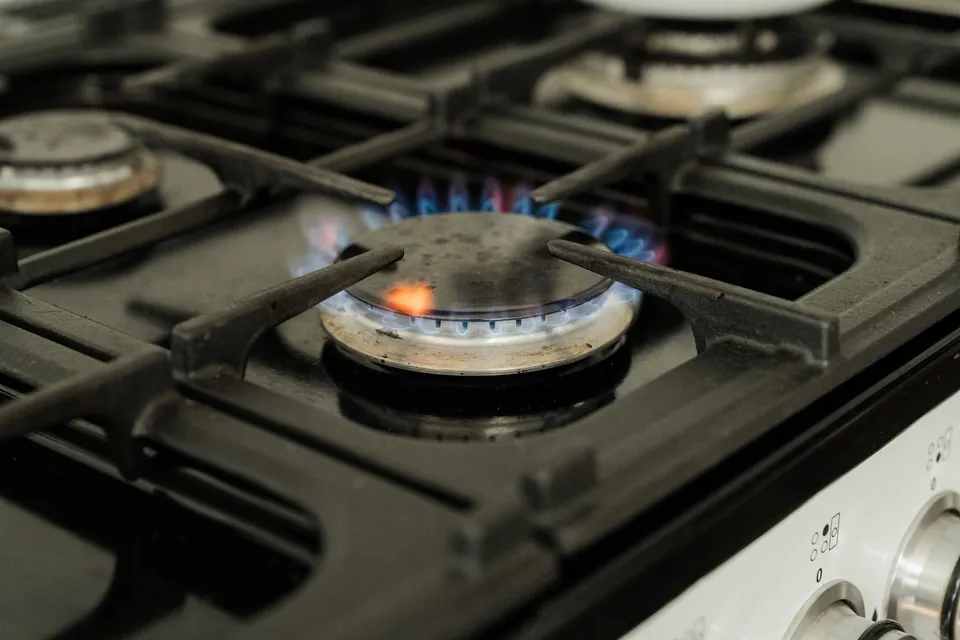
Do the Same Safety Steps Apply to Both
The two gases differ mainly in where a leak goes. Methane weighs less than air, so escaping gas tends to drift upward and can dissipate outdoors. LPG weighs more than air, so leaking fuel can gather in low-lying spots and drains, which is why a smell near floor level or an outside gully deserves prompt attention.
Neither gas is poisonous or toxic, though both burn readily. Fuel gas filling an enclosed space can also crowd out its oxygen, causing nausea, dizziness and, at worst, asphyxiation.
The steps advised by the Queensland Government for smelling gas are the same for both supplies: switch off the appliance, let fresh air through the doors and windows, and leave light switches alone. If the odour lingers, close the supply at the meter for piped gas, or at the bottle for LPG, then call for help. Ring 000 if it persists after that.
We do not rank one gas as safer than the other. The safe response is identical either way.
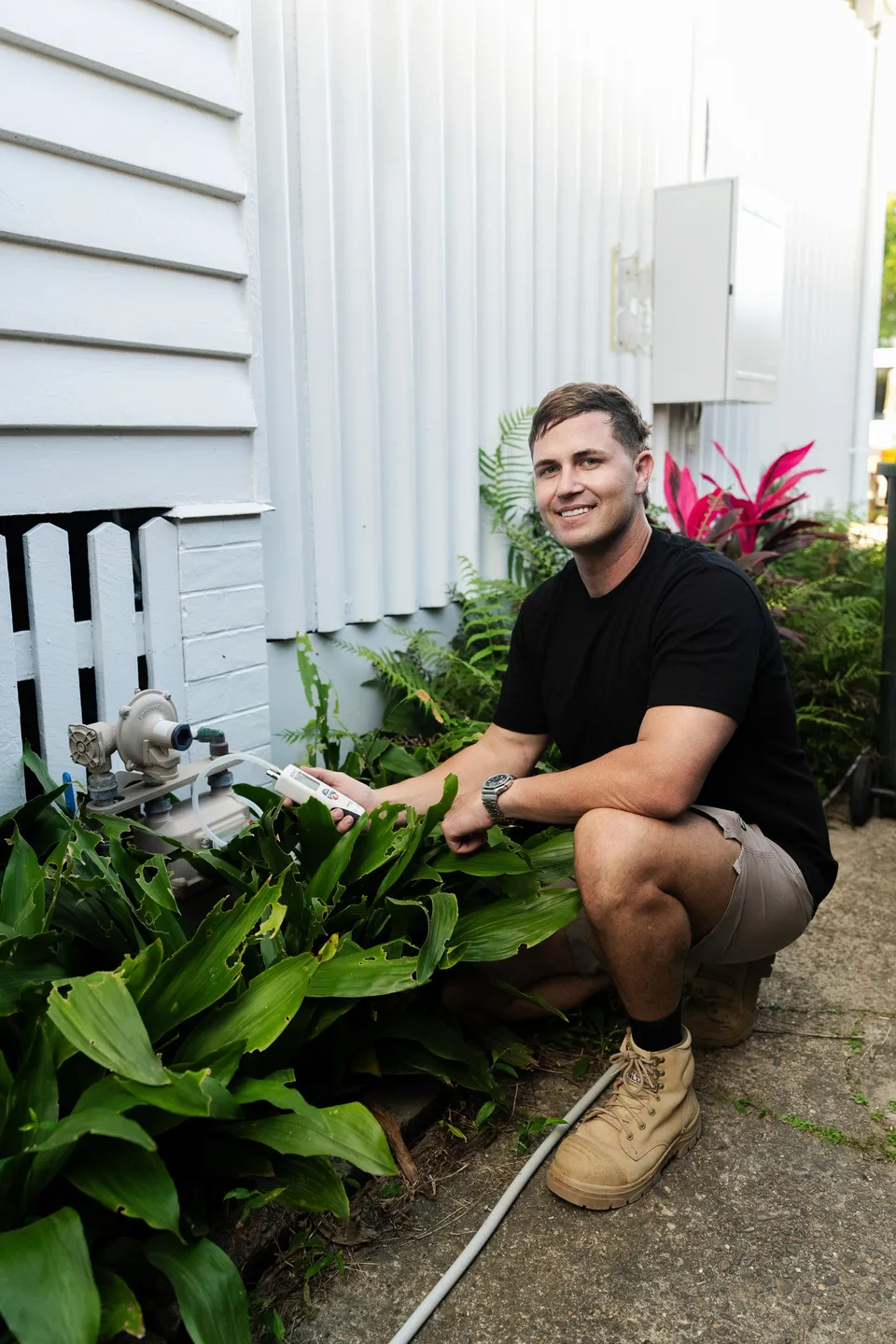
Can an Appliance Run on Either Gas
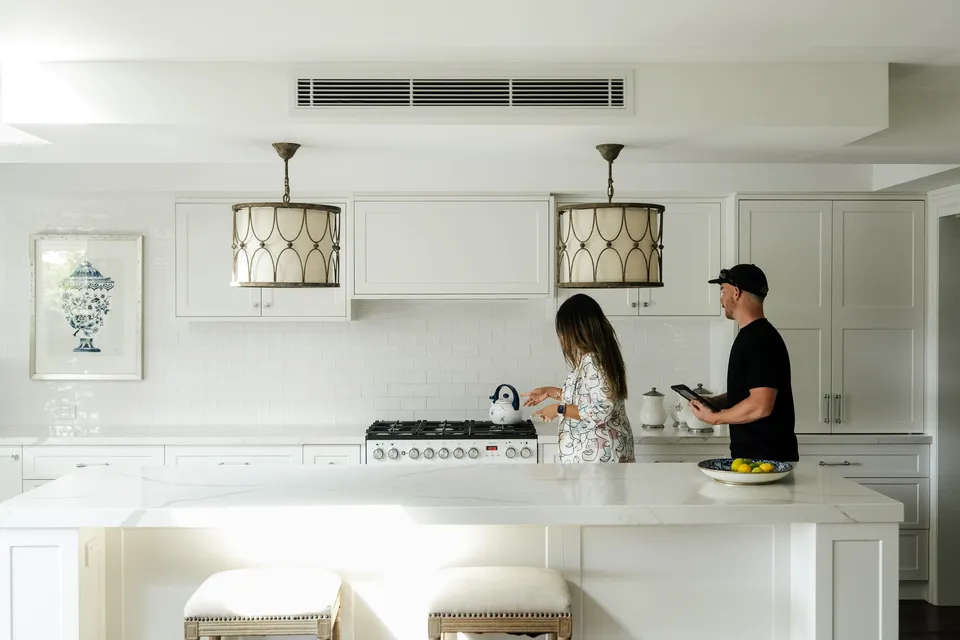
No, most gas appliances suit just one fuel type. Shifting a cooktop out of a methane-supplied house into an LPG-supplied one, or the reverse, means a conversion rather than a simple reconnect.
Conversion is gas work, so a licensed gasfitter does it with the maker's conversion parts, where the maker supplies them for that model, then checks the finished job before the appliance returns to use. Our page on fitting gas cooktops covers what a full connection visit involves for local kitchens.
In Queensland, gas systems may only be handled by a licensed gasfitter, and the role covers installing, altering, repairing and servicing gas pipework and connections, along with testing and certifying each job. Before any of that starts at your place, ask to sight the gas work licence. Cookers, barbecues and similar units also deserve regular checks and servicing, and should be used as the maker instructs.
What the Rules Say About Gas Cylinders
The rules on gas bottles fall into a short list:
- A portable cylinder, usually 9 kg, needs a valid ten-year test stamp to be refilled, and the staff at every refill point check the date.
- Cylinders travel secured and never in the passenger compartment of a car.
- Use and store each cylinder somewhere with good airflow, clear of extra heat and anything that could ignite a flame.
- Spare cylinders stay in a set secure spot.
- Keep the valve sealed when the bottle is not in use, even when it is empty.
A connected cylinder belongs to the LPG distributor, who maintains and tests the bottle. A rotten-egg smell or a dented cylinder means calling the distributor first. Never take a valve off a cylinder or attempt repairs yourself, and treat a rotten-egg smell around a bottle as the sign to act on.
When to Call a Plumber
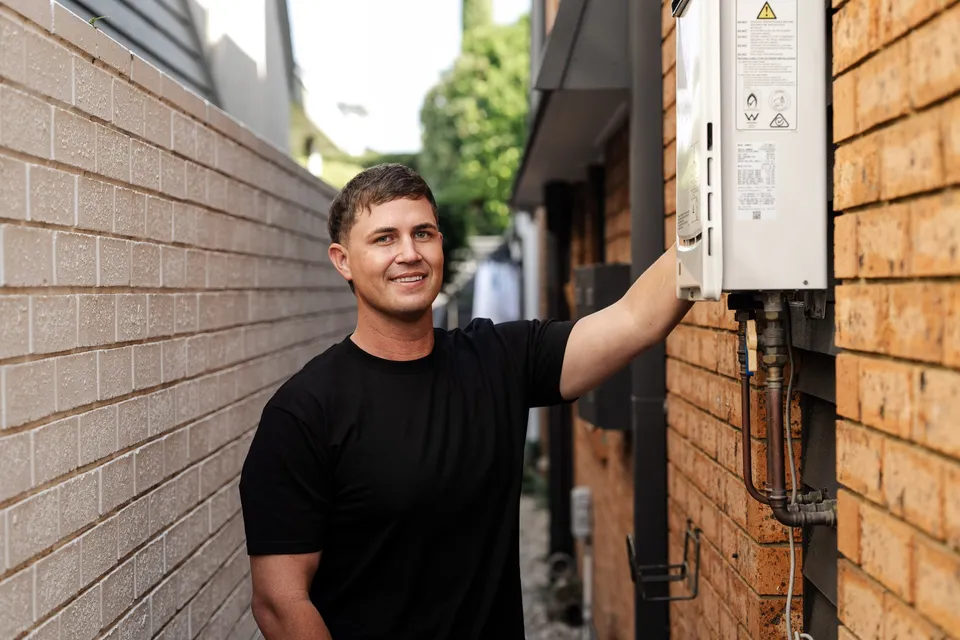
Call us when a job touches the gas side of the house and you are not certain who owns it. Conversions, new cooktop connections, lines to barbecue points and heater hookups are all licensed gas work, and our QBCC licensed plumbers cover the gasfitting along with the general plumbing.
Narangba households on bottles call us most often around barbecue season, when the outdoor bottle gets connected or swapped after sitting sealed through winter. If you can smell gas at any hour, follow the steps above first, then get a licensed gasfitter onto the fault.
Gas Questions From Narangba Homes
Call (07) 3520 4094What is the difference between LPG and natural gas?
Methane arrives through a gas meter on a piped network, while LPG is stored under pressure as a liquid in cylinders and tanks, and some homes receive LPG through pipes too. Methane leaks drift upward, and LPG settles into low spots. Both get a rotten-egg odour added so you notice escaping gas fast.
Is LPG more dangerous than natural gas?
No, both fuels are non-poisonous and non-toxic, and both ignite easily. The difference is where a leak collects: methane rises, and LPG settles in low spots and drains. The Queensland steps for a gas smell are the same for both, so follow them either way.
Who may convert a gas appliance in Narangba?
Only a licensed gasfitter. Gas work in Queensland includes installing, altering, repairing and servicing gas systems, along with testing and certifying them, so a conversion between gas types is their job, done with the maker's parts. Always ask for the gas work licence before anyone starts.
What does the stamp date on a gas bottle mean?
The stamp records the last test. A portable cylinder, usually 9 kg, needs a test within the past ten years before any refill point will fill it, and Narangba households get the date checked on every visit. An out-of-date bottle goes back for testing first.

Talk to Us About Your Gas SetupWe'll call you back.
Ring (07) 3520 4094 and tell us what's wrong. You get $0 call-out fees, a fixed quote before any work starts and same-day where we can, 7 days a week.
To claim your $0 call-out fee, call (07) 3520 4094 today.